Small Gaps Create Indoor Routes
Waterbury homes and small commercial properties have different layouts and pantry setups, so signs near stored food can call for different inspection paths. Around Waterbury Green and the Mattatuck Museum, those landmarks give local orientation; they do not indicate a rodent problem at nearby properties.
Interstate 84 is a local reference point, not evidence of rodent activity. In Waterbury, a house pantry and a small shop's storage area may hold different goods and have different nearby routes. An inspection needs to follow the signs at the property itself.
Rodent-control questions arise at homes and small businesses across Waterbury and Naugatuck Valley County. Whether a provider serves a particular property depends on its address; the pros we connect you with can confirm coverage before discussing inspection findings or service options.
Traps, Bait, and Placement
- FOOD CONTACT
- Inspection cost depends on the area involved, the signs found, and any recommended control or follow-up. Ask the provider what the inspection covers.
- DAMAGED PACKS
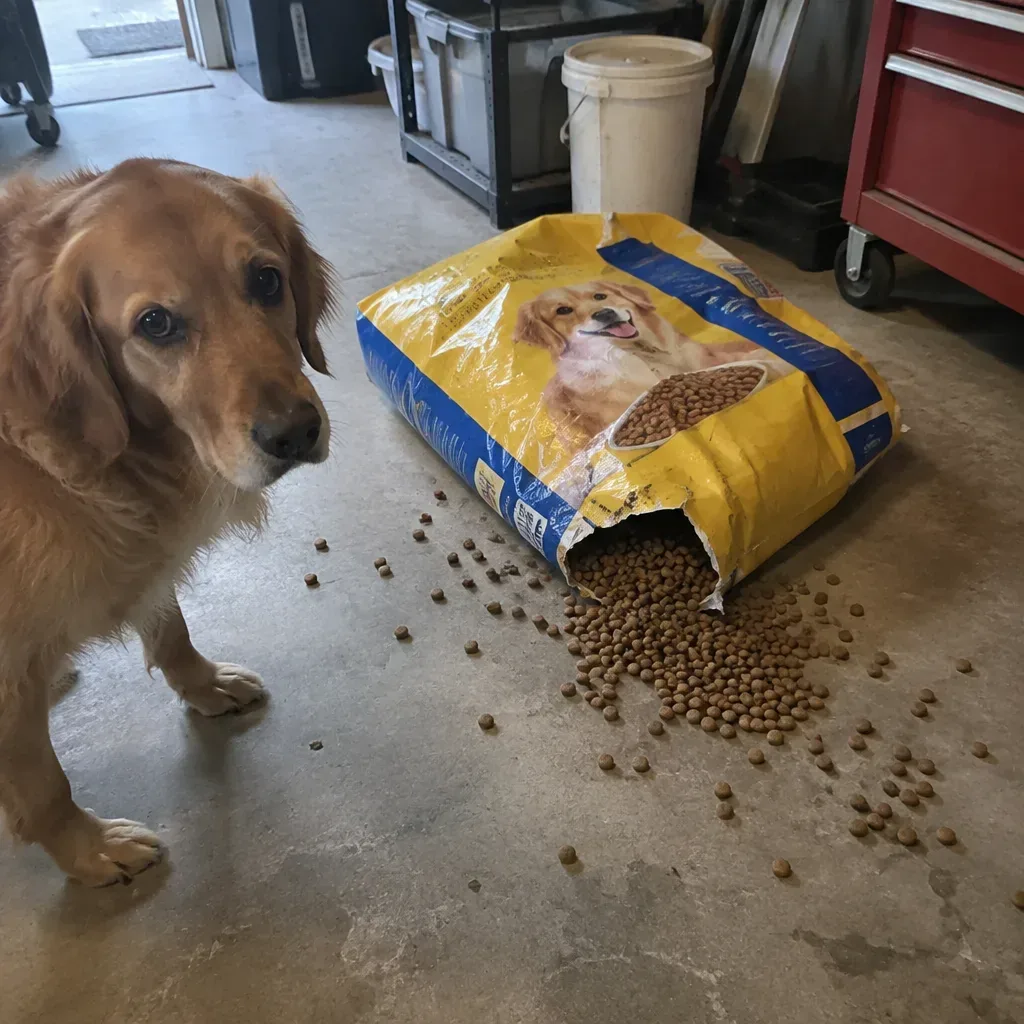
- Gnaw marks, torn packages, droppings, or scattered food may indicate pantry activity; inspection helps assess the signs together.
- SHELF SIGNS
- Discard food that was exposed or damaged. Secure unaffected goods in sturdy containers with tight-fitting lids.
- SECURE STORAGE
- Traps or bait stations may be considered where activity is found. Placement and checks depend on the service plan.
- REPEAT ACTIVITY
- A written note of fresh damage and droppings can help make changes in activity easier to spot. Availability varies by provider.
- SITE REVIEW
- Waterbury's winter hazard planning identifies storms, snow, and ice. These conditions can make exterior observations harder, but they do not change how pantry food with signs of contact should be handled. Set it aside, secure unaffected goods, and seek an inspection if activity continues.
- EXCLUSION WORK
- an estimated $80–$175
Clues That Can Point Elsewhere
Pantry moths can also appear around dry goods, so their presence may be mistaken for rodent activity. Look for package gnawing or other rodent signs; an inspection can help assess what is causing the damage. Check the material and pattern of damage, then look for other signs nearby. Insects may leave small holes or fine debris, while rodent gnawing can leave rough bite marks on packaging. Those clues are not conclusive; an inspection can assess the evidence together.
Choosing Traps and Bait With Care
The pros we connect you with first inspect the pantry and nearby areas for signs such as damaged packages, droppings, or gnaw marks. They assess where activity appears to continue and discuss findings with the owner. This helps shape a plan around the affected storage area and the property's conditions.
Based on the inspection, control may include traps or bait stations placed where activity is found. The provider explains placement, precautions, and how devices will be checked. The plan may also address openings and food storage practices; follow-up availability and timing depend on the provider.
A focused visit can assess signs and place control devices where activity is found. Continued service may help when activity persists or devices need monitoring. Ask what evidence would lead to another visit, what the plan includes, and whether follow-up is optional. The recommendation should match the findings.
RODENT SERVICE OPTIONS FOR VISITS AND FOLLOW-UP
| Control Steps |
Possible Next Step |
|---|
| A few rodent signs, noticed early | Inspection and sealing |
| Fresh activity following prior rodent treatment | device checks |
| Several access gaps with recurring rodent signs | Entry routes blocked; traps checked |
Watch For Changes In Activity
Set aside food with signs of contact and secure unaffected goods in sealed, rodent-resistant containers. Note where new package damage appears. Clear crumbs and spills from shelves, then keep stored goods tidy while watching for fresh activity. If activity continues, ask the pros we connect you with about inspection and device checks.
Safe Placement of Traps and Bait Stations
Food with signs of rodent contact should be set aside and discarded if exposed or damaged. Inspect nearby packages for gnaw marks or tears before returning unaffected goods to storage. A homeowner can secure unaffected goods in sealed containers. Ask an inspection provider how the affected area should be handled safely.
Ask About Rodent Control Pricing
The location of rodent signs and any need for sealing or device checks can affect cost. Ask the pros we connect you with for an estimate.The guide range for rodent work covers the stated inspection and control scope; it excludes repairs or added visits not agreed. A house near the Waterbury Green may need different work from a small business near the Mattatuck Museum, based on inspection findings. The pros we connect you with confirm any visit charge and exact scope directly.Check pricing guide for the full price bands. Read Rodent Inspection for details on this work.