Watch for Signs as Fall Cools
Cost depends on how much of the shed needs attention and how easily it can be inspected. In Waterbury, fall is a useful time to prepare an outbuilding before winter weather complicates access. The city’s winter storms, snow, and ice make clear paths and secure storage practical concerns. A shed near the Mattatuck Museum may differ from one beside a home near Waterbury Hospital. The pros we connect you with can assess the actual structure and activity before recommending steps. No inspection can promise rodents will never return.
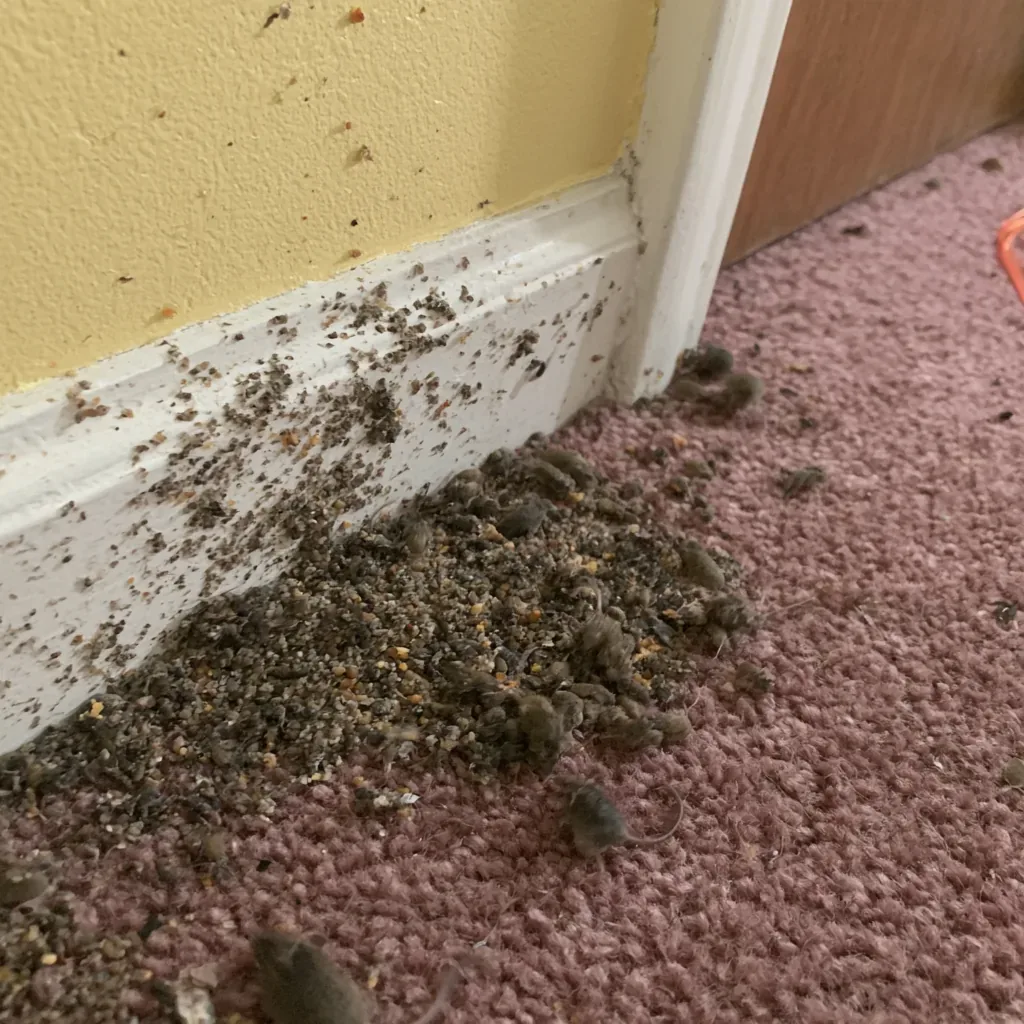
Start by removing reachable food, including birdseed, pet food, or garden supplies stored in open bags. Use closed containers and sweep away crumbs so the shed offers less to eat. Clear clutter from the floor and shelves where practical. In Waterbury, an owner preparing a shed for colder weather can also check that stored goods are dry and orderly. Look for droppings or gnaw marks around stored items, which can show whether rodents have been active. If activity continues, an inspection can help identify what needs attention.
Remove Food and Shed Clutter
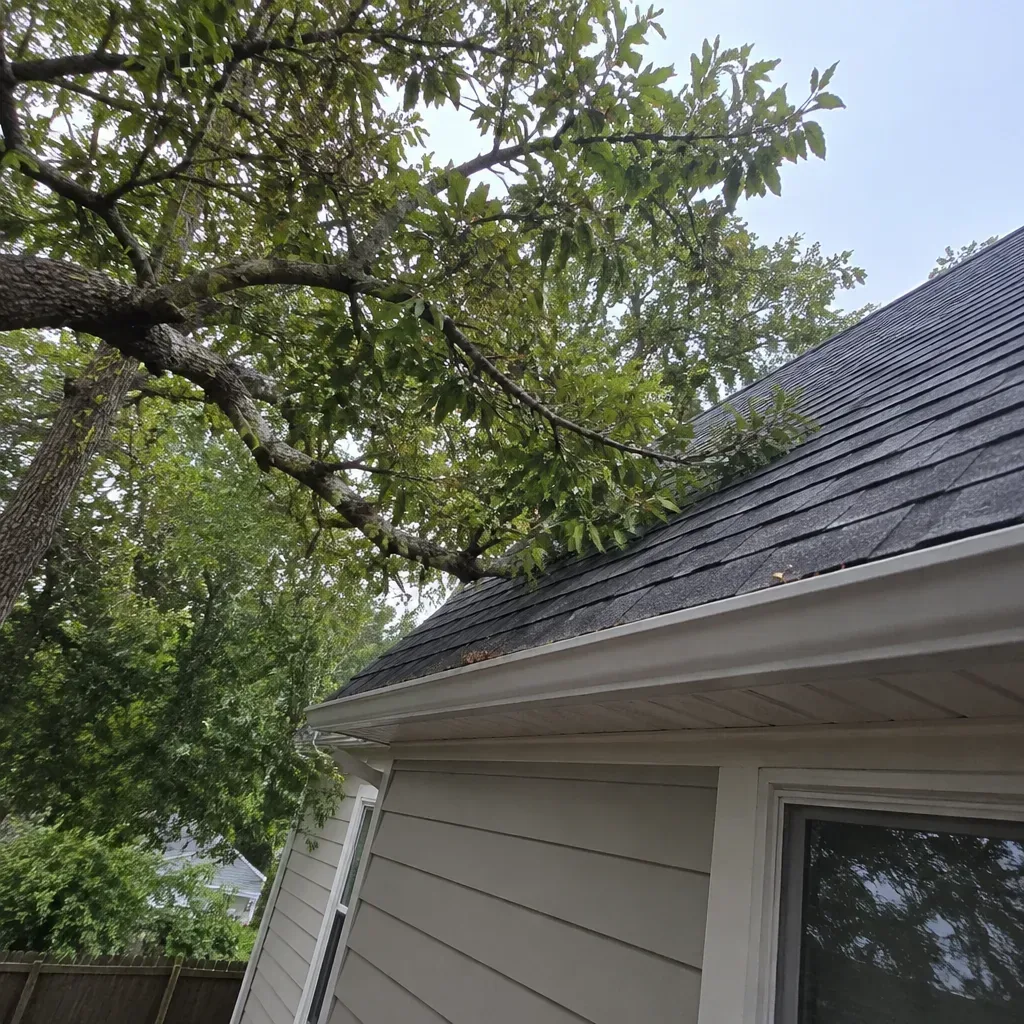
Water is another resource to consider. Look for leaks, damp corners, or containers that hold standing water, then address the source where possible. A dry shed is easier to keep clean and inspect. In Waterbury, changing weather can make it useful to check the roof and stored materials before winter storms arrive. Avoid stacking items directly against walls; space helps the owner see the floor and reach stored supplies. These housekeeping steps support control, but they cannot confirm whether rats or mice remain inside.
Choose storage that leaves the shed easy to inspect. Keep boxes raised where possible, and avoid dense piles that block corners or wall edges. A homeowner can sort unused items and remove nesting material carefully. Near Saint Mary's Hospital, as elsewhere in Waterbury, a small commercial shed may hold tools or packaged goods instead of household supplies. The principle is similar: keep contents closed, dry, and accessible. Better organization makes later inspection clearer and helps the owner notice changes without disturbing every stored item.
Reduce Water and Shelter Sources
A shed’s layout affects where activity can go unnoticed. Check beneath shelving, behind stored equipment, and around the base of stored materials. Small openings around doors, pipes, or utility lines may provide access for mice; rats can use larger gaps. In Waterbury, note whether the shed has connected storage or an interior partition, since those spaces may limit visibility. An inspection can assess the structure and distinguish current activity from old traces. Leave detailed entry-point repairs to the inspection findings and the appropriate service plan.
If activity persists after food and clutter are addressed, consider professional control. The pros we connect you with can inspect the shed and explain whether trapping or baiting fits the findings. Device placement matters: equipment needs to sit where rodents travel and remain accessible for checking. In Waterbury, ask how the service plan handles a detached outbuilding and what the owner should do before and after service. Bait can endanger children and pets if misused, so follow product directions and ask about placement precautions.
Consider an Inspection if Signs Continue
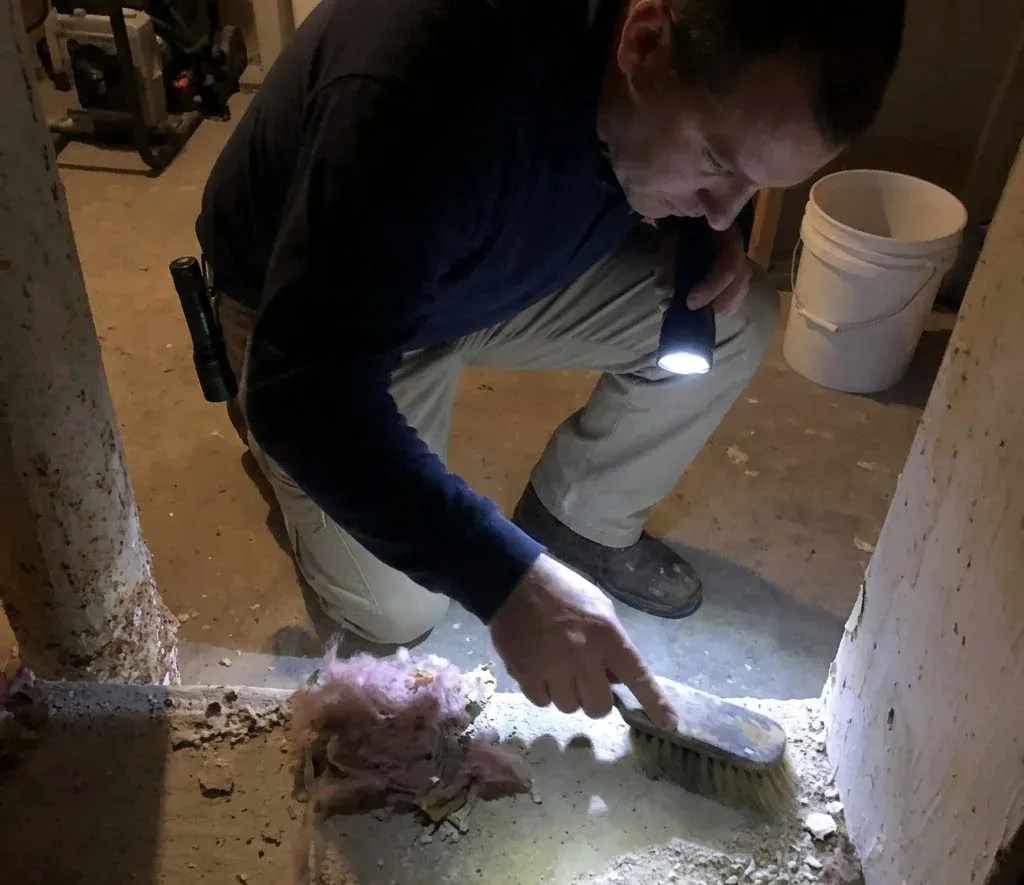
Clean contaminated areas carefully. Droppings and urine can carry germs, and stirring up dust can spread particles into the air. Avoid sweeping or vacuuming dry waste. Follow public health guidance for cleanup, and use suitable protection. In a Waterbury shed, move stored items only as needed to reach affected surfaces. If contamination is extensive or the owner is unsure how to handle it, ask the service provider for guidance. Keep children and pets away from the work area until cleanup is complete.
After service, keep food sealed and the shed orderly so new activity is easier to spot. Ask the provider what device checks are included and how to report fresh signs. Follow-up availability and timing vary. In Waterbury, seasonal preparation can include clearing a safe path to the shed before snow or ice makes access harder. If rodents return, tell the provider what changed and where activity appeared. That information can help determine whether devices need attention or the inspection should consider another part of the structure.
Dealing with rodent activity in your home?
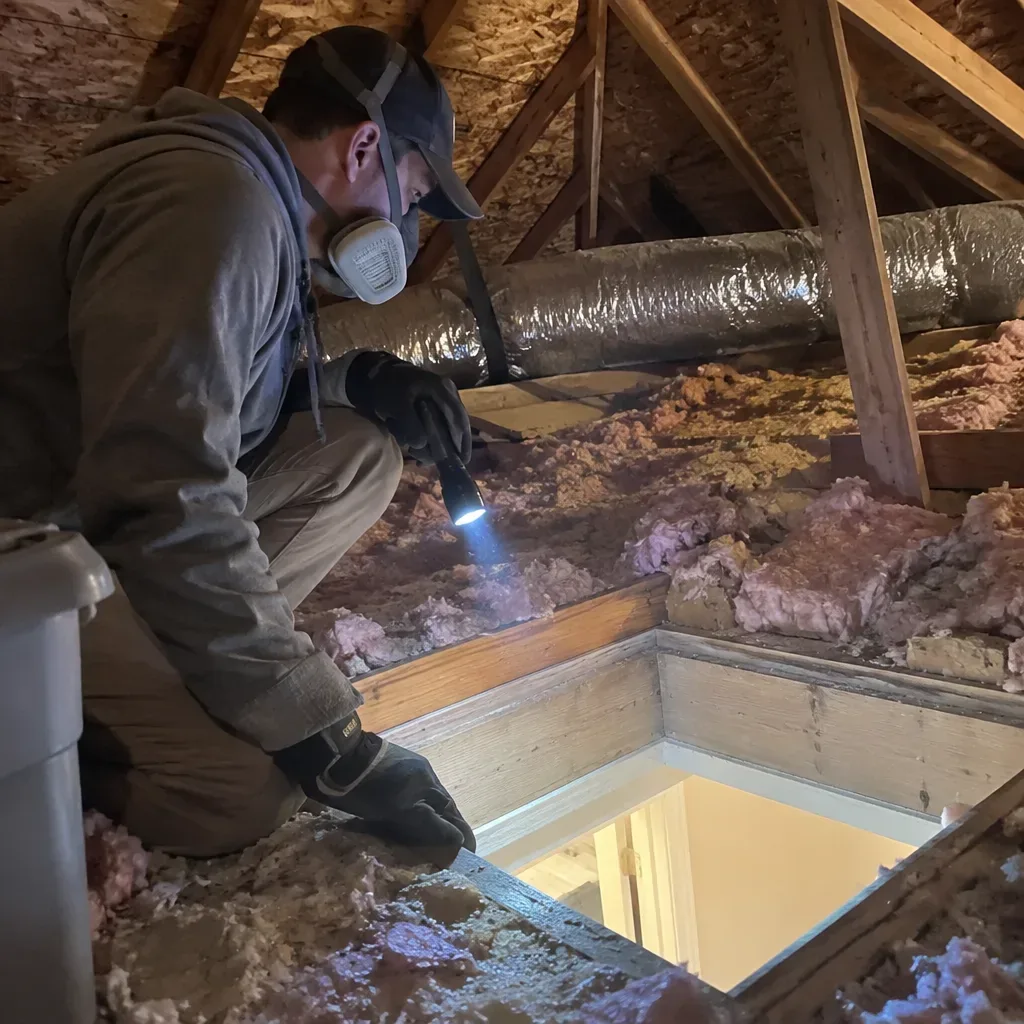
A note of earlier activity can give an inspection useful context. An inspection can help locate travel routes and possible openings. Small gaps around pipes or doors may deserve a closer look. Ask how inspection findings and possible next steps will be explained. The pros we connect you with can explain service coverage, available visit timing, and any visit charge. Ask what an inspection involves and what may affect the charge.