Apartment Building Rodent Control
Waterbury Apartment Rodent Control
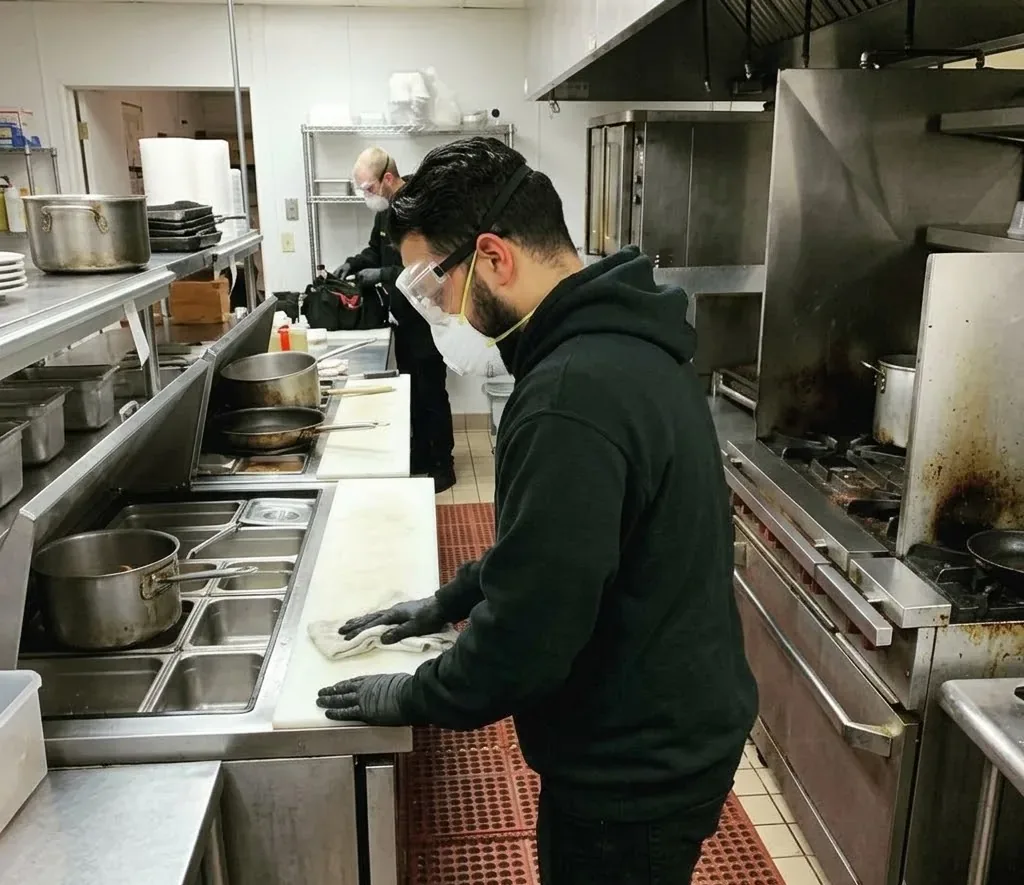
Site records connect sightings, access conditions, and corrections to a clearer plan for restaurant rodent control.
A restaurant can reduce repeat rodent problems by documenting sightings, protecting food, correcting sanitation and access issues, and arranging follow-up checks. An inspection can guide site-specific steps for storage, waste, and service areas. Keep records of findings and changes so managers can track recurring activity.
Restaurant rodent control costs depend on the areas involved, signs found, access limits, and follow-up needs. In Waterbury, a site-specific assessment can help connect those details to a plan. Notes on sightings, affected rooms, operating hours, and access needs give the pros we connect you with useful starting points. Records matter after the first response, too. They help staff compare new signs with earlier reports and see where activity has returned.
An inspection should consider food storage, waste areas, service spaces, and routes between them. The review can also note whether food and waste areas connect to nearby access points. The pros we connect you with can assess those signs and look for gaps around doors, pipes, and other access points. A clear record can identify the area, date, and observation without guessing at the cause. That gives managers a useful baseline for later checks.
Restaurants need control steps that fit food handling and service hours. Staff can note when affected areas are clear, which food or supplies need protection, and who can provide access. In Waterbury, those details help the pros we connect you with coordinate work around the restaurant’s routine. Keep the record factual: list what was seen, where it was found, and any immediate sanitation correction. This separates observed activity from assumptions.
A useful activity log identifies the exact area, the sign, and who reported it. Include whether the finding was near stored food, a waste container, or a service route. Restaurant mice may leave droppings or gnaw marks, but those signs do not explain their source by themselves. A location-specific entry lets managers compare reports across shifts. It also helps avoid vague notes such as “back area,” which can send attention to the wrong place.
Record operating conditions that could affect access or inspection, such as delivery windows and locked rooms. Note when a space is available and who can arrange entry. Keep these details separate from pest observations so each has a clear purpose. If an operator also tracks sites near Cheshire or Naugatuck Green, label each record with its actual restaurant address. A landmark can help staff orient themselves, but it should not replace the site address.
| Record item | What to note | Why it helps |
|---|---|---|
| Service records | Date, time, and staff report | Compare reports for recurring patterns |
| Affected area | Dining, storage, waste, or service zone | Focus inspection on reported locations |
| Rodent signs | Droppings, gnaw marks, or nesting material | Track where signs appear or change |
| Operating conditions | Hours, deliveries, and access limits | Plan checks around restaurant operations |
| Food and storage | Exposed food or container concerns | Correct storage and protect food |
| Waste conditions | Waste handling and nearby signs | Address food sources and sanitation |
| Access points | Openings near doors, pipes, or walls | Record sealing and prevention work |
| Follow-up checks | Activity and device condition | Assess whether the plan needs adjustment |
Food and waste practices belong in the record because they shape what staff can correct. Note uncovered ingredients, accessible crumbs, overflowing waste, or containers left open. Store food in sealed containers and remove accessible crumbs; sanitation supports control but does not close entry points. A dated note can assign a correction to the responsible shift. Later, managers can confirm whether the change was made and whether the condition returned.
Separate a cleanup note from a rodent sighting. Droppings and urine can carry germs, so avoid stirring dust while cleaning contaminated areas. Record the affected surface, cleanup action, and any area that remains inaccessible. That history helps managers spot repeat sanitation problems without treating every report as proof of continuing activity. It also gives the service provider a clearer account of what staff already addressed before assessment.
Entry-point notes should describe the opening and its location, not just say “possible gap.” Small spaces around pipes, doors, or foundations may allow access. The inspection findings can guide whether sealing is appropriate alongside other control steps. In a Waterbury restaurant, a record of the exact wall, utility line, or doorway helps maintenance staff find the same spot later. Photos can supplement notes when company procedures allow them.
A written service record can connect inspection findings with the control measures chosen for the site. It may note where activity was found, which access points need attention, and what prevention guidance was given. It can also separate confirmed observations from conditions that still need a closer look. The record should describe decisions in plain terms, so restaurant managers can understand what was addressed and what remains a maintenance task.
When devices are part of the plan, records can identify their locations and the agreed checking responsibilities. Traps and bait stations need suitable placement and monitoring. Ask the provider how those checks will be documented and who should report a displaced or damaged device. For any pesticide product, label directions govern use, placement, and precautions. Clear notes help staff protect food and keep people away from placed products as directed.
Follow-up records are most useful when they preserve the same location labels and observation details. A new report beside a prior access point may deserve a different response from a report in an unrelated room. The log can also note repairs or cleanup completed since the previous visit. In Waterbury, managers can bring the log to the next assessment instead of relying on memory across shifts.
For restaurants with more than one location, keep each site’s records distinct. A shared form can use consistent fields, while each entry retains its restaurant address, affected area, and local access notes. Staff comparing a Waterbury location with one near the Naugatuck River should not merge observations into a single running list. Separate records let managers see whether a repeated issue belongs to one building or appears across sites.
Assigning responsibility makes records useful during staff turnover and shift changes. Identify who logged the sighting, who handled a sanitation correction, and who contacted the provider. Avoid recording personal judgments about a coworker; document the task and its status. This creates a practical handoff between opening and closing staff. A manager can then see which actions still need attention without asking each employee to reconstruct the event.
Before requesting an assessment, gather sighting notes, affected areas, operating hours, and access needs. Include prior service records and maintenance notes about openings or repairs. The pros we connect you with can use that history to understand the restaurant’s pattern and inspect relevant areas. Keep records available to the manager responsible for food safety and facility upkeep. The next useful question is which observations should trigger a fresh assessment.
Rodent follow-up monitoring costs depend on the site, access, and checks included. Clear records help explain what those checks need to cover. In Waterbury, a restaurant can log each sighting by date, room, and shift, then compare later notes with the first inspection. The pros we connect you with can use those details to track recurring activity and review whether recommendations need adjustment. Keep records available to managers who handle food, storage, and service areas. Nearby reference points, such as Waterbury Green, Interstate 84, or Route 128, can help identify the site when requesting an assessment.
The county links help property owners check the reach of rodent inspection and control options from the pros we connect you with for residential and commercial sites, includingWaterbury, Naugatuck and Watertown. Before arranging service, ask which visits carry charges, whether travel is included, and whether the address is within the covered area.
For a warehouse, the quote may depend on its size and how often visits are planned. $80–$175 offers a guide figure. Stored food and waste can attract rodents and affect where inspection attention is needed.Commercial pricing changes with inspected area, access, device placement, exclusion work, and follow-up in the agreed scope. A small shop near Waterbury Hospital may need a different parts list than a house. When calling, tell the pros we connect you with about building use, affected areas, signs, and access limits.See pricing guide for full rodent control guide bands; commercial overview explains how a scheduled program works.
Waterbury Apartment Rodent Control
Commercial Rodent Control
Waterbury Warehouses
Record the date, time, exact area, and sign observed, such as droppings or damaged packaging. Note whether staff saw activity during opening, service, or closing. In Waterbury, these details give the pros we connect you with a useful starting point for inspecting the affected room and nearby routes. Keep later findings with the original entry so managers can compare locations and dates.
Share the restaurant’s opening, closing, delivery, and cleaning windows before arranging work. Identify rooms that need restricted access, food that must be covered or moved, and a manager who can provide entry. A Waterbury site near Interstate 84 may have different delivery timing from another location; the actual schedule and access rules should guide coordination. Confirm any limits with the provider before work begins.
Inspect incoming cartons for damage, and arrange stored supplies so changes are easier to notice during routine checks. Keep waste in closed containers and remove it on the restaurant’s normal schedule. These steps reduce accessible food sources, while inspection and correction of open gaps address routes rodents may use. Note any damaged packaging or recurring spill area for the site record.
Restaurant rodent control works better when records give the inspection a clear history. Log each sighting’s date, location, operating conditions, and any change to food storage, waste handling, or sanitation. In Waterbury, share those notes with the pros we connect you with, along with service-hour and access limits. Ask that inspection findings, corrective steps, and follow-up observations be recorded. Comparing entries can show whether activity continues in the same area and whether the control plan needs adjustment.
For a Waterbury site assessment, have the manager identify affected rooms, food storage, waste areas, and any access limits before scheduling.
Call (203) 884-8369