Office Rodent Control
Commercial Rodent Control
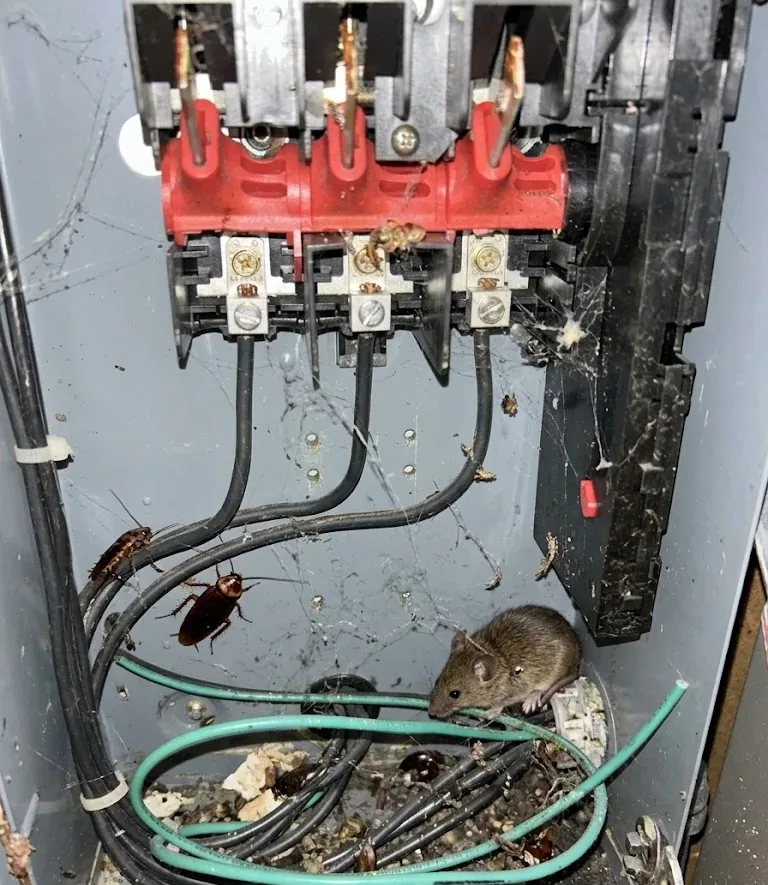
Clear site records connect warehouse sightings, inventory areas, dock timing, and follow-up checks across Waterbury facilities.
Warehouses can map sightings, inspect docks and storage zones, and record signs by location and date. Monitoring notes help show whether activity continues and which areas need another check. Share dock schedules, inventory zones, and access rules before a Waterbury site assessment.
A rodent inspection's cost depends on warehouse size, access rules, hours, and areas needing review. In Waterbury, notes can begin at loading bays, perimeter openings, and receiving zones. Record sightings, gnaw marks, affected stock, and nearby storage locations. Mark findings by date and area, then compare checks for recurring activity. Storage practices and inventory protection help focus review during operations. Near Route 128, note access windows and restricted aisles before scheduling. For a second site in Watertown, keep activity logs and service notes separate. The pros we connect you with can explain follow-up checks and record formats.
Warehouse mice can put packaged inventory at risk when goods sit close to walls or remain undisturbed. In Waterbury, note which aisles hold affected stock and whether nearby pallets or shelving block inspection access. Store food and other attractants in sealed containers, and remove accessible crumbs where handling rules allow. These steps can reduce available food, but they do not explain how rodents entered. Inventory location records help the pros we connect you with focus attention on the areas that matter.
Rodents in storage facilities can move between loading areas and quiet inventory zones as doors open and goods shift. A Waterbury site map can mark sightings, damaged packaging, and areas employees cannot enter during active work. Include dock schedules and any food handling or sanitation limits that affect access. The pros we connect you with can use those details to plan an inspection around operating hours. That coordination helps protect routine receiving and storage work while keeping the assessment focused.
At a Waterbury warehouse, inspection can follow the path from receiving docks to the perimeter and nearby storage aisles. Look for gaps around doors, pipes, and utility lines, since small openings can provide access. A building sketch can show where those points sit in relation to reported activity. If a site map uses Route 128 as a delivery reference, mark the receiving entrance separately from staff access. The pros we connect you with can then review practical inspection routes with site staff.
A single sighting is useful when its location and time are recorded. At a Waterbury facility, staff can note whether a rodent appeared beside a dock, a rack, or a waste area. Droppings and gnaw marks can help narrow the search, while inspection is needed to assess what those signs mean. Avoid moving affected inventory before the location is documented, if operations allow. A clear account gives the pros we connect you with a starting point for tracing activity through the building.
| Site area | Inspection notes | Cost factors |
|---|---|---|
| Dock Checks | Date, shift, and exact dock or aisle | Reveals recurring locations across shifts |
| Activity Records | Mapped spot and cleanup status | Separates cleared reports from new signs |
| Gnaw marks | Affected packaging and pallet location | Helps staff flag stock for review |
| Damaged inventory | Item identifier and handling decision | Connects activity reports with stock records |
| Dock schedule | Door, operating window, and access notes | Helps arrange inspection around receiving |
| Access limits | Restricted zones and escort requirements | Prepares staff for safe site access |
| Monitoring checks | Device location, condition, and check date | Shows where follow-up needs attention |
| Service notes | Findings, agreed actions, and next check | Carries context between shifts and visits |
Inspection access depends on how a warehouse stores and rotates goods. In Waterbury, tightly packed pallets can hide wall edges, while open aisles make checks easier. Keep enough clearance for staff or service providers to see floor edges and inspect around racks. Where product rules limit movement, identify an approved contact who can arrange access. These details help the pros we connect you with examine affected inventory zones without disrupting handling more than the site requires.
Loading schedules shape when a Waterbury warehouse can be inspected. Record busy receiving periods, shift changes, and any quiet windows when dock lanes are clear. Note doors that stay open during transfers and who can authorize entry to restricted areas. A site serving deliveries toward Watertown may want its route and receiving entrance marked on the same plan. The pros we connect you with can use that information to coordinate an inspection around actual site access.
Food handling changes what staff should report and when an area can be inspected. At a Waterbury warehouse, identify food goods, packaging rules, and procedures for isolating damaged stock. If droppings or urine are found, avoid sweeping or vacuuming in a way that stirs dust. Follow the site's cleanup procedure and arrange a suitable inspection. The pros we connect you with can discuss access and precautions with the facility contact before entering affected areas.
Monitoring works best when its locations match the activity map. At a Waterbury warehouse, note the dock, aisle, or storage zone beside each device so staff can report changes consistently. Traps or bait stations need suitable placement and routine checks under the service plan. Ask who will inspect them, how findings will be logged, and which site contact receives the record. This makes device oversight easier to coordinate across operating shifts.
A warehouse record is useful when it connects observations to a place and a date. For each Waterbury report, note the zone, nearby inventory, visible damage, and any change in access or storage. Keep inspection notes and device checks with the site contact’s service records. If several facilities share a record system, identify each location clearly so activity is not attributed to the wrong building. The pros we connect you with can explain what their service documentation includes.
Inventory protection starts with knowing what is stored where. Waterbury facility staff can record affected product lots, packaging condition, and whether goods were moved after a sighting. Keep those notes with the relevant storage zone and inspection record. If damaged items require a quality review, assign that decision to the facility’s normal contact. This gives the pros we connect you with useful context while the warehouse manages its own inventory procedures.
A clear handoff helps when warehouse work spans shifts. In Waterbury, a site contact can pass along the latest sighting locations, inspection access limits, and device check notes at shift change. Keep the record in a place authorized staff can find, and note who can approve access to storage zones. A facility that tracks deliveries near Cheshire Park can use its own route labels to distinguish locations in shared reports. Consistent labels make service records easier to follow.
Service records help a Waterbury warehouse see whether activity is tied to a particular dock, storage zone, or operating condition. Compare each inspection note with the site's sighting map and inventory changes. A recurring location may call for a closer look at access and housekeeping practices. The pros we connect you with can describe what was observed and what service steps were completed. Keep recommendations with the record so the facility contact can assign follow-up work internally.
Before arranging a Waterbury site assessment, gather recent sightings, affected inventory zones, dock schedules, and access restrictions. Add the facility map and the name of the person who can coordinate entry. Ask how inspection findings and device checks will be recorded, who receives those notes, and how records can distinguish separate locations. Those questions help establish a usable record process before service begins. The pros we connect you with can explain how their documentation fits the warehouse’s operating needs.
Rodent inspection costs depend on warehouse size, access, active zones, and record needs. In Waterbury, a useful assessment starts with the site’s own movement patterns. Dock schedules, affected inventory, and access rules shape where a pro can inspect and when. Written findings can connect sightings to locations and follow-up checks. That record helps managers compare activity over time and coordinate work across facilities. A site map, recent reports, and contact for each operating area give the pros we connect you with a practical starting point.
Homes and small businesses have different access points and service needs; check the linked communities to see where connected pros may discuss rodent control, includingPlantsville, Waterbury and Naugatuck. Check whether the visit charge covers inspection only, or also treatment and follow-up, then confirm any travel charge for the property.
A small office may be quoted by visit, with building size and scheduled visit frequency affecting the figure. $80–$175 is a guide. A property with several storage areas can call for broader checks. Droppings or gnaw marks can help identify signs of rodent activity.Commercial pricing changes with inspected area, access, device placement, exclusion work, and follow-up in the agreed scope. A small shop near Waterbury Hospital may need a different parts list than a house. When calling, tell the pros we connect you with about building use, affected areas, signs, and access limits.See pricing guide for full rodent control guide bands; commercial overview explains how a scheduled program works.
Commercial Rodent Control
Waterbury Restaurant Service
Waterbury Apartment Rodent Control
Start at receiving bays, nearby storage, and the routes used to move goods into inventory. In Waterbury, check around perimeter openings and inspect packaging for droppings or gnaw marks. Log each finding by location and date, including affected stock and access conditions. Compare records from later checks to identify recurring areas and focus monitoring. If a Waterbury operator also manages a Watertown facility, keep each site's findings separate. Note Route 128 access timing when it affects inspection windows.
Useful service records identify the site, date of visit, areas checked, signs observed, devices monitored, and recommended next steps. They should distinguish a new sighting from a recurring one and note any zones that could not be accessed. For operators with facilities in Waterbury and Naugatuck, consistent labels make records easier to compare without mixing activity between locations.
Coordinate visits around receiving hours, shift changes, and restricted inventory zones. Share dock schedules and access rules before the assessment, then identify a staff contact who can open the areas being checked. If a schedule changes, record the missed zone and arrange a return check through the service plan. This keeps inspection notes clear about what was reviewed and what remains.
Separate affected stock from routine inventory handling and follow the facility’s food safety and product procedures. Record the aisle, pallet, or storage zone where signs appeared, and note any packaging damage. Keep that item history with the service record so managers can review what was affected. Sanitation and sealed food storage can limit accessible food, but they do not locate activity by themselves.
Gather floor plans, inventory handling routines, and sanitation records before arranging an assessment.
Call (203) 884-8369